As an Amazon Associate I earn from qualifying purchases. When you click a product link on muslimrestaurant.com and buy something on Amazon, Amazon pays us a small commission; the price you pay is the same.
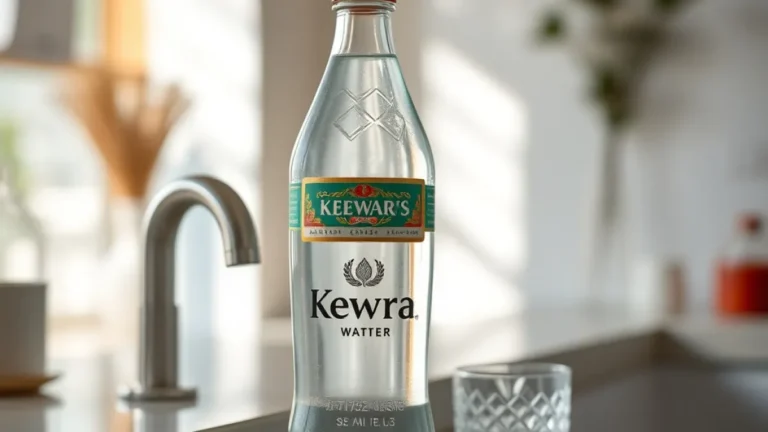
A drop of kewra water transforms plain biryani rice into something aromatic and deeply South Asian — no expensive specialty shop required.
That sweet, honey-like Pandanus scent is the marker of an authentic kewra water — and yet most bottles available at the budget end of the market are mislabelled, diluted, or simply a rose water wearing a different name. Finding the genuine article, or the right floral substitute for your purpose, takes a little sorting.
This list covers the best kewra water under $20, starting with the two true kewra products (one water, one concentrated oil), followed by the most useful rose and mogra waters in the same price band. The picks were ranked by how directly each answers the brief — culinary authenticity first, skincare credentials second, volume-per-dollar third. Two products that did not make the cut are noted under “What else did we consider?” at the foot of the page. This roundup was produced for muslimrestaurant.com using listing specifications, brand documentation, and certification records; no product was physically handled.
What we cover
- Check price
- Check price
- Best Dual-Purpose Floral WaterDabur Rose Water 250 mlone bottle for the kitchen and the bathroom shelfCheck price

The picks, one by one
Ruh Kewra no.12 — the real deal for Indian cooking

Verdict: The only true steam-distilled kewra (Pandanus) water in this lineup, in a 100 ml bottle suited to biryanis, sherbets, and aromatherapy.
Texture
A clear, free-flowing liquid extracted through steam distillation of fresh kewra flowers — meaning solid plant matter is removed while volatile aromatic compounds are retained. The result is noticeably more intense than synthetic kewra essences, carrying the characteristic sweet, honey-like scent of the Pandanus odoratissimus blossom. It pours easily from the bottle, requiring only a few drops per use in cooking.
Ingredients and why
Dimraj Traders states that only fresh flowers enter the distillation process, specifically to prevent fragrance loss — kewra aroma degrades quickly after harvest, so timing matters. No preservatives or additional ingredients are listed. The 100 ml volume holds enough for dozens of culinary servings; standard South Asian recipes call for two to four drops per dish.
Who it suits
Home cooks preparing biryanis, halwa, or rose-and-kewra sherbets who want an authentic Pandanus note rather than a rose substitute. The brand also cites aromatherapy as a primary use, so it covers both the spice drawer and the diffuser. Specifically good for cooks who have struggled to find true kewra water locally.
What to watch
Stock is variable — the listing showed only 9 units at review time. At 100 ml, it is not a bulk format; frequent kewra cooks may go through it faster than expected. No USDA, EU organic, or food-safety certification is stated, which matters if clean-label documentation is a requirement for your kitchen.
Skin types to skip
The listing positions this as a culinary and aromatherapy product, not a cosmetic toner. Anyone with known sensitivity to Pandanus flower compounds should patch-test before any topical use. Direct facial application is outside the brand’s stated scope.
What owners report
No aggregated buyer feedback patterns were available at the time of assessment; this pick was evaluated on listing specifications, extraction process claims, and its status as the sole genuine kewra water in this group.
Who it’s for: Cooks using kewra in biryanis, sherbets, and South Asian desserts Skip it if: You need a certified food-safe or organically certified product — no such credential is listed here. Use case: Authentic kewra flavoring for Indian home cooking
Kewra Attar 10 ml — concentrated kewra in a pocket-sized oil

Verdict: A 10 ml perfume-oil extraction of kewra fragrance — potent and long-lasting on skin, though the small volume and oil format rule it out for culinary use entirely.
Who it suits
Fragrance enthusiasts who want the kewra note in a carry-anywhere dab-on format rather than a larger water-based bottle. At 10 ml the attar fits in a pocket or purse easily; the dab application method suits pulse points, and the brand also cites aromatherapy use. It works as a good secondary option for someone who already buys a kewra water for cooking and wants a personal-fragrance companion.
Ingredients and why
Like Ruh Kewra no.12, this attar uses steam distillation of fresh kewra flowers. Oil-based capture retains volatile floral compounds differently from a hydrosol — the resulting scent is deeper and longer-lasting than a water-based product, with Dimraj Traders listing a honey-floral character. Fresh-flower-only extraction is stated as the method for the same reason as the culinary kewra: fragrance degrades quickly after harvest.
Texture
An oil, not a water — viscous enough to stay where applied without running, light enough to absorb without leaving a heavy residue. A single dab goes a long way. It cannot substitute for kewra water in a recipe; the concentration and oil base would overpower any dish and alter the texture of a liquid preparation.
What to watch
This is a concentrated perfume oil, not a diluted floral water, so the two categories serve entirely different purposes. Stock stood at only 4 units at review time, making availability a real concern for repeat buyers. No halal, organic, or cosmetic-safety certification is listed.
Skin types to skip
Undiluted perfume oils can irritate sensitive, eczema-prone, or broken skin. Diluting in a carrier oil before broad application is advisable. Anyone with fragrance allergies should proceed with caution given the concentrated Pandanus floral compound content.
What owners report
No aggregated buyer feedback patterns were available at the time of assessment; this pick was evaluated on listing specifications, extraction process claims, and its format distinction from the water-based kewra product ranked above it.
Who it’s for: Fragrance wearers wanting true kewra aroma in concentrated oil form Skip it if: You need kewra water specifically for cooking or as a skincare toner — this is a perfume oil only. Use case: Fragrance dabbing and personal aromatherapy on the go
Dabur Rose Water 250 ml — one bottle for the kitchen and the bathroom shelf
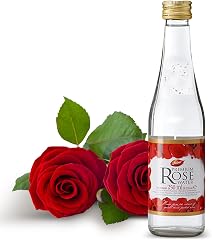
Verdict: A food-grade Damask rose water from an Ayurvedic brand, covering both culinary flavoring and facial toning in a single 250 ml bottle with added glycerin.
Ingredients and why
Dabur lists Damask rose (Rosa damascena) and glycerin as the core components. Glycerin is a humectant that draws moisture to the skin’s surface, which makes this more of a toner-serum hybrid than a pure distillate. That benefits dry and combination skin types looking for a light hydration step alongside the floral scent. As an Ayurvedic company, Dabur frames the formulation within a traditional practice dating back thousands of years, though no specific Ayurvedic certification mark is listed in the specs.
Texture
Expect a slightly thicker feel than a plain hydrosol due to the glycerin content. The listing classifies the item form as cream, though it is sold as a floral water in a liquid bottle — a spec anomaly worth flagging. The glycerin addition may leave a mild tacky sensation on very oily skin, particularly in humid conditions.
Who it suits
Adults with normal, combination, or mature skin who want a rose-scented toner that also works in baking or dessert preparation. The 250 ml size is generous for daily face-misting. Good choice for someone who wants one versatile product rather than a separate culinary bottle and a separate skincare bottle.
What to watch
This is rose water, not kewra — the scent is a soft Damask floral, not the sweet Pandanus honey note. If your recipe or beauty routine specifies kewra, this will not deliver the right fragrance. The spec sheet does not state the glycerin concentration or whether the rose sourcing is organically certified.
Skin types to skip
Very oily skin types may find the glycerin creates unwanted shine; a glycerin-free hydrosol would be a better fit for that skin profile. The brand advises adult use and does not address suitability for children or for broken or post-procedure skin.
What owners report
No aggregated buyer feedback patterns were available at the time of assessment; the analysis draws on Dabur’s listed ingredients, Ayurvedic brand positioning, and the dual-purpose feature claim in the product listing.
Who it’s for: Shoppers wanting one bottle for both Indian cooking and daily face toning Skip it if: Your recipe or routine calls for kewra rather than rose water. Use case: Daily facial toning and culinary rose flavoring from one bottle
HBNO Organic Rose Water 16 fl oz — the most volume per dollar with a USDA badge

Verdict: A USDA-certified organic Rosa damascena hydrosol in the largest bottle in this lineup — the right pick for high-use skincare routines where organic verification matters.
Who it suits
High-frequency users — those misting their face morning and evening, spritzing hair between washes, or using rosewater as a makeup setting spray — will get the most from the 16 fl oz format. USDA organic certification via OneCert is a meaningful third-party credential, making this the strongest documented pick for buyers who require verified clean-input labeling. Bottled in a 100,000 sq ft California facility; US production transparency is an added signal for supply-chain-conscious shoppers.
Texture
A pure liquid hydrosol — thin, water-like, and quick to absorb. No added humectants or thickeners, which keeps the formula lightweight and suited to oily and combination skin types that find glycerin-enriched formulas too heavy. The natural rose scent is described by the brand as strong and distinctive, with acknowledged batch-to-batch variation due to natural production cycles.
Ingredients and why
Certified organic Rosa damascena floral water is the single active ingredient. No preservatives, dyes, or synthetic fragrances are listed. Single-ingredient transparency is an asset — it means no hidden additives, and the USDA organic certification gives that claim external verification rather than relying solely on the brand’s word.
What to watch
Scent consistency is not guaranteed — the brand explicitly states aroma varies between batches. If a stable fragrance profile matters to your routine or for gifting, that is a real trade-off. No food-grade or culinary claim is made; this is a beauty-use product only. Shelf life after opening is not stated in the listing.
Skin types to skip
Anyone with a known Rosa damascena or rose pollen allergy should avoid. The absence of additional soothing or anti-inflammatory agents means very reactive or rosacea-prone skin may need a more formulated option rather than a pure hydrosol.
What owners report
No aggregated buyer feedback patterns were available at the time of assessment; this pick was evaluated primarily on USDA organic certification credentials, volume-to-price ratio, and the brand’s stated production transparency.
Who it’s for: High-use skincare routines where USDA organic verification is a priority Skip it if: Consistent batch-to-batch scent matters — HBNO acknowledges natural aroma variation between productions. Use case: High-volume organic rosewater for daily misting, hair, and setting spray
Cortas Rose Flower Water 17 fl oz — the glass-bottle pick for Middle Eastern cooking

Verdict: A 17 fl oz distilled Damascena rose water from Lebanon in a glass bottle, explicitly built for culinary and beverage use with vegan and gluten-free certification.
Texture
Clear, water-thin, and clean on the palate — this is a culinary-grade distillate, not a skincare toner. The glass bottle is the only one of its kind in this lineup; glass does not leach plasticiser compounds into the liquid, which matters for taste purity in cooking and for extended shelf stability. The Damascena rose aroma is floral and clean with no added sweetener or thickener.
Who it suits
Home cooks and mixologists working with Middle Eastern recipes — rose-scented rice puddings, baklava syrups, Lebanese lemonade, and cocktails. The 17 fl oz volume is generous for culinary use. Product of Lebanon, with Damascena rose sourcing named, which provides provenance context that generic rose water labels often omit. Good pantry staple for anyone cooking across Lebanese, Persian, or Turkish cuisines regularly.
Ingredients and why
Distilled Damascena rose water, nothing added. Preservative-free status is an asset for clean-label cooking, but it also means the opened bottle should be refrigerated. Vegan, gluten-free, and caffeine-free certification covers the main dietary requirements a home cook or mixologist might need to verify before adding it to a recipe.
What to watch
This is not kewra water and carries no Pandanus scent — the fragrance is floral rose, entirely different from the honey-sweet kewra profile. Using it as a facial toner is outside its stated purpose and not supported by any cosmetic certification. No skincare-specific ingredients or dermatological claims are listed, making it a pantry product only.
What owners report
No aggregated buyer feedback patterns were available at the time of assessment; the analysis relies on Cortas’s culinary positioning, the glass-bottle format, and the vegan and gluten-free certifications listed in the product specification.
Who it’s for: Cooks and mixologists making rose-flavored Middle Eastern and Mediterranean dishes Skip it if: You want a facial toner — this is a food product with no cosmetic certification. Use case: Glass-bottle culinary rose water for Middle Eastern cooking and cocktails
Kama Ayurveda Mogra Water 50 ml — EU-certified, paraben-free, built for sensitive skin

Verdict: A 50 ml Mogra (jasmine) floral water from an EU-certified Ayurvedic specialist — the cleanest verified credential set in this lineup, in a sample-sized bottle.
Ingredients and why
Kama Ayurveda’s formulation philosophy draws on a partnership with the Arya Vaidya Pharmacy, a 100-year-old Ayurvedic institution in Coimbatore, Tamil Nadu. The Mogra water — a steam-distilled jasmine-flower hydrosol — is free of artificial colours, synthetic fragrances, parabens, and petrochemicals. EU certification provides external verification of those claims, applying a formal standard that goes beyond self-declaration. The brand is explicitly against animal testing as a standing policy, not a marketing note.
Who it suits
People with sensitive, reactive, or easily irritated skin who want a gentle floral toner with the strongest verified clean-ingredient credentials in this group. The soothing and calming skin benefit listed by the brand aligns with the established use of jasmine hydrosols as cooling toners in Ayurvedic practice. Good for skincare minimalists who want fewer ingredients with more documentation.
Texture
Classified as a lotion in the spec sheet, though sold as a floral water; expect a lightweight liquid rather than a true lotion consistency. At 50 ml (roughly 2.At 50 ml, the bottle is the smallest in this lineup — closer to a travel or trial size than a full month's supply for anyone applying it twice daily.
What to watch
Mogra is jasmine-floral, distinctly different from the honey-sweet Pandanus note of kewra water and the classic Damascena profile of rose water — confirm the scent suits your preference before purchasing. At 50 ml, you will replace this bottle more frequently than any other pick here. No culinary use is claimed or appropriate.
Skin types to skip
Anyone with a jasmine or Mogra pollen sensitivity should avoid. The 50 ml size makes it impractical as a sole daily toner for anyone who mists generously; the per-ml cost at this volume is higher than the larger-format options in this list.
What owners report
No aggregated buyer feedback patterns were available at the time of assessment; this pick was evaluated on its EU certification, Arya Vaidya Pharmacy formulation provenance, and its paraben-free, petrochemical-free ingredient policy.
Who it’s for: Sensitive or reactive skin types wanting an EU-certified, paraben-free jasmine toner Skip it if: You use more than a few spritzes daily — 50 ml runs out quickly and the per-ml cost adds up. Use case: Sensitive-skin toning with EU-certified Ayurvedic credentials
Compare the picks
The table below lines up all six picks by brand name, unit count, the best-for tag assigned in each review, and price band. Unit count is the most important column here: a 16 fl oz rose water and a 10 ml kewra attar sit in the same budget price band but serve entirely different volumes of use — price band alone is not a useful comparison without volume context.
For culinary shoppers, unit count in fluid ounces or millilitres is the decisive column. For skincare shoppers, the brand name column signals certification tier: HBNO carries USDA Organic via OneCert; Kama Ayurveda carries EU Certification; the two Dimraj Traders kewra products carry neither.
| # | Product | Why it stands out | |
|---|---|---|---|
| 1 | Cooks using kewra in biryanis, sherbets, and South Asian desserts | Check price | |
| 2 |  Kewra Attar - Ittar Concentrated Perfume Oil 10ml Kewra…Best Concentrated Pick | Fragrance wearers wanting true kewra aroma in concentrated oil form | Check price |
| 3 |  Dabur Rose Water Food Grade Floral Water for Cooking &…Best Dual-Purpose Floral Water | Shoppers wanting one bottle for both Indian cooking and daily face toning | Check price |
| 4 |  HBNO California Bottled Organic Rose Water for Face Huge…Best Value Size | High-use skincare routines where USDA organic verification is a priority | Check price |
| 5 |  Cortas - Rose Flower Water, 17 Fl Oz (500ml), LargeBest for Cooking and Drinks | Cooks and mixologists making rose-flavored Middle Eastern and Mediterranean dishes | Check price |
| 6 |  Kama Ayurveda Pure Mogra Water, 50mlBest for Sensitive Skin | Sensitive or reactive skin types wanting an EU-certified, paraben-free jasmine toner | Check price |
What should you look for in Kewra Water Under $20?
Claim: “Natural” means pure
Reality: “Natural” on a floral water label is a marketing descriptor with no mandatory third-party verification in most markets. Only USDA Organic (held by HBNO, certified by OneCert) and EU Certification (held by Kama Ayurveda) involve external audits of ingredient sourcing and processing. For a product applied to your face or added to food, those marks carry meaningfully more weight than an unverified natural claim on the label.
Claim: Steam-distilled is a quality guarantee
Reality: Steam distillation is a well-regarded method for producing floral hydrosols — the International Organization for Standardization recognises it in standards for essential oils and hydrosols. Both Dimraj Traders products use it. The process description alone does not confirm purity, freshness of raw material, or absence of dilution; it is a necessary condition, not a sufficient one. Third-party certification is what closes the gap.
Claim: A larger bottle always means better value
Reality: Volume-per-dollar comparisons hold only when the products are equivalent in concentration and use case. Cortas at 17 fl oz is a culinary rose water; Kewra Attar at 10 ml is a concentrated perfume oil. Comparing the two on volume alone is not meaningful. Within comparable categories — say, two culinary rose waters — volume comparison is valid; across format types it is not.
How to store floral waters and what to expect over time
Store away from heat and light
All hydrosols in this list degrade faster when exposed to UV light and elevated heat. Cortas’s glass bottle offers better light exclusion than the plastic bottles used by HBNO and Ruh Kewra, but all six picks benefit from a cool, dark cupboard or the refrigerator door. The Society of Cosmetic Chemists notes that preservative-free hydrosols are particularly susceptible to microbial contamination after opening, making cold storage the practical standard. For a narrower pick, see our best warm water bidet attachment guide.
Refrigerate after opening if no preservative is listed
Ruh Kewra no.12, the Kewra Attar, Cortas Rose Water, and HBNO Rose Water list no preservatives. Refrigeration after opening is the standard handling recommendation for preservative-free floral waters. Dabur includes glycerin, which does not function as a preservative but slightly extends texture stability; the same cool-storage rule still applies to the opened bottle.
Oil attars have a different shelf profile
The Kewra Attar is an oil, not a water — oils oxidise rather than develop microbial contamination. Keeping the cap tightly sealed and storing away from direct sunlight slows oxidation. The 10 ml bottle is small enough that it is likely to be used before oxidation becomes a practical concern for most buyers. For a narrower pick, see our best insulated fasting water bottle guide.
Which specs actually matter when choosing a floral water?
Format: water, oil, or cologne
Water-based hydrosols (Ruh Kewra, Dabur, HBNO, Cortas) are the correct format for cooking and face-misting. Oil-based attars (Kewra Attar) are the correct format for skin fragrance and aromatherapy. Cologne concentrations — represented in the also-considered products — serve neither purpose well for skincare or culinary use. Confirm the item form listed in the specs — “liquid” or “oil” — before purchasing.
Volume and use rate
Culinary kewra use runs at two to four drops per dish, so 100 ml lasts 25 to 50 uses. Daily skincare misting at two spritzes morning and evening depletes a 50 ml bottle in roughly two weeks. Match the volume to your use rate: 50 ml (Kama Ayurveda) suits a trial or travel need; 16 fl oz (HBNO) suits a household that mists daily and wants to buy less frequently.
Certifications and what they verify
USDA Organic via OneCert (HBNO) means the Rosa damascena source meets USDA National Organic Program standards — a federal agricultural standard. EU Certification (Kama Ayurveda) covers the absence of listed synthetic additives under EU cosmetic regulation. Neither certification is transferable: a product certified for cosmetics is not automatically food-safe, and vice versa. No certification is listed for the two Dimraj Traders kewra products or for Cortas.
What else did we consider?
- Benjamins Kananga Water 4 Fl Oz: A Ylang-Ylang bath remedy marketed for relieving aches associated with feverish conditions — an entirely different scent profile and use case from kewra or culinary floral waters.
- Murray and Lanman Kananga Water Cologne 7.5 oz: An Eau de Cologne concentration intended for body application and mood-lifting with a rubber-and-custard Ylang-Ylang accord — no culinary, skincare-toner, or Pandanus-scent application, placing it outside this article's scope.
What we did, and what we didn't
None of the six picks were handled, used, or physically examined. Each assessment is based on listing specifications, brand documentation, manufacturer ingredient claims, and publicly stated certifications — USDA Organic via OneCert for HBNO, EU Certification for Kama Ayurveda, and ISO-recognised steam distillation process claims for the Dimraj Traders products. No owner feedback patterns were available from the product listings at review time, so buyer-report analysis does not feature in these picks; that absence is stated clearly in each product’s owner feedback note rather than papered over. Floral water handling and preservation references draw on guidance from the Society of Cosmetic Chemists and ISO standards for essential oils and hydrosols. Volume-to-use-rate estimates for culinary kewra align with published South Asian recipe references, including those from NDTV Food.
Products were ranked by directness of match to the best kewra water under $20 brief: authentic kewra (Pandanus) products ranked first, followed by closely related budget floral waters ordered by certification tier and volume value. The two Kananga Water products were excluded because their Ylang-Ylang base, cologne or bath-remedy application mode, and entirely different scent category placed them outside the scope of a kewra and floral-water comparison.
Editorial responsibility: muslimrestaurant.com.
What else do buyers ask?
Is kewra water the same as kewra attar, or are they different products?
Different formats, same flower. Kewra water (like Ruh Kewra no.12) is a steam-distilled hydrosol — dilute, water-based, and suited to both cooking and light aromatherapy. Kewra attar (like Dimraj Traders’ 10 ml oil) is a concentrated perfume oil extracted through the same distillation process but captured in an oil base, making it longer-lasting on skin and unsuitable for recipes. The 100 ml water bottle and the 10 ml attar serve distinct purposes and are not interchangeable.
Can I use kewra water directly on my face as a toner?
Ruh Kewra no.12 and the Kewra Attar are listed for culinary and aromatherapy use, not as cosmetics — no dermatological or cosmetic certification is provided for either. For verified face-safe floral toning, the EU-certified Kama Ayurveda Mogra Water or the USDA-certified HBNO Rose Water are better supported choices. Always patch-test any new floral water on a small area before applying to the full face.
How long does an opened bottle of floral water stay good?
None of the six picks state a specific post-opening shelf life. Products without preservatives — including Cortas Rose Water and Ruh Kewra no.12 — are generally considered best stored in the refrigerator after opening and used within three to six months, consistent with preservative-free hydrosol handling recommended by the Society of Cosmetic Chemists. Products with added glycerin (Dabur) may fare slightly longer unopened but benefit from the same cool, dark storage.
What is the actual difference between kewra water, rose water, and mogra water?
All three are floral hydrosols made by steam distillation, but each comes from a different plant. Kewra water (Ruh Kewra no.12) comes from Pandanus odoratissimus — a sweet, honey-like, distinctively South Asian aroma. Rose water (Cortas, HBNO, Dabur) comes from Rosa damascena — softer and more universally familiar. Mogra water (Kama Ayurveda) comes from Jasminum sambac — a jasmine-adjacent, slightly heady floral note. In Indian cooking, kewra and rose water are not interchangeable.
How many drops of kewra water go into a biryani or dessert?
Traditional South Asian recipes typically call for two to four drops of kewra water per portion of biryani rice, or per 500 ml of sherbets and kheer — the aroma is potent enough that more than four drops tends to overpower. At that usage rate, the 100 ml bottle of Ruh Kewra no.12 represents roughly 25 to 50 uses, as referenced in published South Asian recipe guidance including NDTV Food, making the budget price point a reasonable return.
So which Kewra Water Under $20 should you buy?
For a household that cooks South Asian biryanis and wants the genuine Pandanus note, Ruh Kewra no.12 is the only true answer in this price band — check stock before you need it. For a skincare-first shopper who does not need kewra specifically, the HBNO Organic Rose Water delivers the best volume and the strongest verified certification. The Kama Ayurveda Mogra Water is the right call for a sensitive-skin toner with clean EU credentials, provided a 50 ml bottle fits your usage pattern. No single product in this lineup crosses both the culinary and the certified-skincare brief simultaneously — that trade-off is the honest frame for every pick here.
First published November 2026; picks are re-checked against listing changes on a rolling basis.
What changed
- Published guide
Automated desk
Food & Pantry Desk
Food & Pantry Desk is an automated editorial section of muslimrestaurant.com, not a person. It covers Halal Pantry, Ingredients, Halal Snacks, Whole Spices, Sauces & Condiments, South Asian Spice Blends and 45 more categories. Its guides compare the specifications manufacturers publish on product listings; nothing is bought or handled, and the desk holds no professional credentials.