
As an Amazon Associate I earn from qualifying purchases. When you click a product link on muslimrestaurant.com and buy something on Amazon, Amazon pays us a small commission; the price you pay is the same.
Nihari is only as good as its spice blend, and a bad jar wastes a whole pot of meat. Here is how seven budget-friendly options stack up for slow-cooked, nihari-style stews.
60-second summary: the best special nihari masala for most budget shoppers is the Pride of India Tikka Curry Masala, thanks to its 17-spice mix and generous 7 oz jar. Next comes the Pride of India Garam Masala for finishing. Simply Organic Baharat ranks third for beef and lamb. Frontier Tandoori, McCormick Madras and Badia Madras follow. The 30 lb biryani bucket comes last.
One honest caveat: none of these seven is a dedicated nihari mix. They are neighboring blends, so you will build your nihari with them rather than just stirring in a packet. We ranked them on warm-spice depth, meat suitability, owner feedback and cost per use. If you read labels and count every dollar, this list shows where your money goes furthest. It comes to you from muslimrestaurant.com.
Key Takeaways
- No true nihari mix here: Every jar is an adjacent blend, so expect to add your own ginger, fennel or flour for authentic nihari body.
- Warm spices beat heat: Nihari relies on cardamom, clove, cinnamon and ginger, so mild blends with those notes suit it better than hot Madras powders.
- Jar size drives value: The 7 oz and 6 oz jars give far more cooking per purchase than the small organic bottles.
- Skip the bulk bucket: A 30 lb biryani masala with a 2.6 rating and three reviews is a risky buy for home cooking.
Our Top Picks for Special Nihari Masala
- Best Overall: Pride of India Tikka Curry Masala, for its 17 spices and large jar.
- Best Value Finisher: Pride of India Garam Masala, for warm aroma with no chili heat.
- Best for Beef and Lamb: Simply Organic Baharat, praised by owners for aroma and value.




The Best Special Nihari Masala: Reviewed
1. Pride of India Tikka Curry Masala: Most Spices Per Jar

Verdict: A 17-spice blend with fennel, ginger, mace and clove in a 7 oz jar. It comes closest to a nihari base and gives you the most cooking per purchase.
This blend lists 17 ingredients, including ginger, fennel, cardamom, cinnamon, clove, mace and star anise. Those are the warm, aromatic notes a nihari pot depends on, which is why it leads our ranking for anyone building a stew from a dry masala.
It is sold as medium heat, so you control the final intensity by adjusting the amount. Bloom a spoonful in hot oil or ghee before adding meat, then taste as it simmers. The dry format also lets you manage salt and thickness yourself, which suits a long, slow braise.
The 7 oz dual-sifter jar is the largest of the consumer jars here, so cost per use looks strong for a budget shopper. It is gluten free and vegan.
Keep expectations realistic: it is a tikka-style blend, not a nihari mix. You may want to add extra ginger or toasted flour to thicken the gravy.
What Owners Say
Buyers like the flavor and call it good value. Several mention it works well for chicken tikka and pairs nicely with naan, rice and poppadoms. Reviewers do not describe nihari use, and the listing is a tikka blend, so that part is your call.
| Pros | Cons |
|---|---|
| 17-spice blend with ginger, fennel, clove and mace | Sold as tikka masala, not nihari |
| Large 7 oz jar suits budget cooking | Will not thicken gravy by itself |
| Owners praise flavor and value | Price is not shown on the listing, so compare before buying |
| Medium heat is easy to adjust |
Best for: Budget cooks who want a flexible base for slow-cooked meat Not for: Anyone wanting a ready-made authentic nihari mix
Specifications
2. Pride of India Garam Masala: Warm Finishing Spice

Verdict: A simple 7-spice garam masala with no chili heat. It works best stirred in near the end for aroma.
Garam masala is the aromatic finish that lifts many nihari recipes. This jar combines cinnamon, cardamom, coriander, cumin, ginger, turmeric and black pepper. It contains no chili, so heat stays gentle.
The brand suggests adding it in the last 5 to 10 minutes of cooking, and that matches how a finishing spice behaves in a long braise. Use it alongside your own chili and base spices, not instead of them.
At 6 oz, it is a sizable jar for a finishing blend, which stretches your spend over many pots. It is also useful for rice, lentils and roasted vegetables, so it is rarely wasted.
It ranks second because it cannot carry a nihari alone. You still need chili, fennel and a thickener.
What Owners Say
Owners enjoy the flavor and say it makes sauces rich and delicious. Feedback is positive on quality, though the review pool is small.
| Pros | Cons |
|---|---|
| Warm aroma with no chili heat | Only 7 spices, so no fennel or clove |
| 6 oz jar is generous for a finishing spice | Needs chili and base spices added separately |
| Brand gives clear usage amounts | Small review pool |
| Useful beyond curries |
Best for: Cooks who already own base spices and want an aromatic finish Not for: Beginners wanting one jar to do everything
Specifications
3. Simply Organic Baharat: Spiced for Beef and Lamb

Verdict: A Middle Eastern blend with allspice, cinnamon and clove. Owners rate its aroma and value highly.
Baharat is not South Asian, but its sweet-savory spice profile overlaps with nihari. The listing names allspice, cinnamon, cloves and more, and recommends it for lamb, beef and rice, the same proteins nihari uses.
It is certified organic and comes in a 2.5 oz bottle, so it costs more per ounce than the large jars. Owners still describe it as great value, probably because a little goes a long way in a stew.
Use it as a supporting spice, adding it with your chili and ginger. Expect a different, slightly sweeter result than classic nihari.
It lands third because it offers warmth and meat compatibility, but a Mediterranean character may not suit purists.
What Owners Say
Buyers call it a fantastic blend that lifts poultry and meat. They praise its aroma, organic ingredients and authentic Mediterranean flavor, and consider it good value.
| Pros | Cons |
|---|---|
| Allspice, cinnamon and clove suit meat stews | Mediterranean, not South Asian, flavor |
| Certified organic | Small 2.5 oz bottle |
| Owners praise aroma and value | No chili heat for nihari |
| 332 reviews with a 4.6 rating |
Best for: Lamb and beef stews where you add your own heat Not for: Traditionalists who want a classic nihari taste
Specifications
4. Frontier Organic Tandoori Masala: Smoky and Salt-Free

Verdict: A well-reviewed organic tandoori blend with no added salt. Value and taste opinions are mixed.
With 2,104 reviews and a 4.6 rating, this is the most-reviewed jar here. It contains paprika, cumin, coriander, garlic, ginger and cardamom, with no added salt or fillers.
For nihari, it works as a base for the meat marinade, giving smoky color and warmth. You will need to add salt yourself, which some budget cooks prefer.
At 1.8 oz, the box is small, so cost per use runs high. That helps explain why owners disagree on value.
It ranks fourth because tandoori flavor is a step away from nihari, and some buyers say the taste was not what they expected.
What Owners Say
Owners like the fresh ingredients, aroma and versatility, especially for tandoori chicken. Opinions on value are mixed, and several say the taste was not what they expected.
| Pros | Cons |
|---|---|
| Organic with no added salt or fillers | Small 1.8 oz box |
| Fresh aroma according to owners | Value opinions are mixed |
| Large review base | Some owners say taste was unexpected |
| Good for marinades | Tandoori profile, not nihari |
Best for: Marinating meat before a slow braise Not for: Shoppers who want the lowest cost per use
Specifications
5. McCormick Gourmet Organic Hot Madras Curry Powder
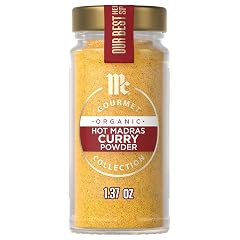
Verdict: A hot, organic curry powder with fenugreek and red pepper. It adds kick, but it is not a nihari profile.
This blend is built around fenugreek, coriander, cumin, turmeric, red pepper and garlic. It brings chili heat, which nihari needs, but lacks the warm sweet spices such as clove and cardamom.
Treat it as a heat booster rather than the core blend. Paired with a garam masala, it could cover both sides, though you would be buying two jars.
The bottle is 1.37 oz, so it is small for a stew-sized pot. Organic certification adds to the cost.
It ranks fifth because fenugreek-forward Madras flavor pulls the dish away from nihari.
What Owners Say
Owners find it flavorful, a little more intense than supermarket versions, and some call it a perfect spice blend. Heat opinions are mixed, with several saying it is not hot enough, and value is split between worth it and expensive.
| Pros | Cons |
|---|---|
| Organic and non-GMO | Tiny 1.37 oz bottle |
| Chili heat for a spicy stew | Several owners say not hot enough |
| Owners praise intensity of flavor | Value opinions are mixed |
| 910 reviews at 4.6 | Lacks warm sweet spices |
Best for: Adding heat to a stew you season separately Not for: Those wanting authentic nihari aroma from one jar
Specifications
6. Badia Andrew Zimmern Madras Curry Powder: Salt-Free Option

Verdict: A 4 oz, salt-free Madras-style powder. Decent size, but few reviews and no clear nihari fit.
Badia sells this 4 oz bottle as an all-purpose seasoning for beef, chicken, lamb and vegetables. It is salt free, gluten free and kosher, so you control sodium.
The listing does not publish a full ingredient breakdown, so we cannot confirm warm spices like clove or fennel. Its Madras profile suggests heat and curry notes instead.
The size sits between the small organic bottles and the big Pride of India jars, which makes it a reasonable middle-ground value.
It ranks sixth for that reason.
What Owners Say
The listing has no detailed owner feedback summary. The 4.6 rating comes from just 54 reviews, so treat it as encouraging but thin.
| Pros | Cons |
|---|---|
| Salt-free, so you control seasoning | Few reviews |
| 4 oz bottle is mid-sized | No detailed ingredient list on the listing |
| Suited to beef and lamb | Madras profile, not nihari |
| Gluten free and kosher | No owner feedback pattern to rely on |
Best for: Low-sodium cooks who want a heat-forward curry base Not for: Anyone needing proven flavor feedback
Specifications
7. Original Bawarchi Hyderabadi Dum Biryani Masala: 30 lb Bucket

Verdict: A restaurant-scale biryani masala with a 2.6 rating from three reviews. It is the wrong product for most home nihari cooks.
This is a 480 oz bucket of Hyderabadi biryani masala, not a nihari blend. Unless you run a kitchen, you are unlikely to use that much before it loses punch.
The listing gives almost no detail: no ingredient list, heat level or usage guidance. That makes it hard to judge how it would behave in a braise.
The 2.6 rating from three reviews is a warning sign, even though the sample is tiny. A budget shopper risks a large outlay on an unproven product.
It ranks last because of its size, thin information and low rating.
What Owners Say
There is no owner feedback summary. The three ratings average low, and the small sample means little can be said beyond caution.
| Pros | Cons |
|---|---|
| Bulk size suits commercial kitchens | Biryani, not nihari |
| Hyderabadi biryani style may appeal to restaurants | Huge 30 lb size is impractical at home |
| Brand is aimed at Indian cooking | Low 2.6 rating |
| Almost no listing detail |
Best for: Restaurants buying biryani spice in bulk Not for: Home cooks making nihari
Specifications
How They Compare
The Pride of India jars give the most spice for the money, while the organic bottles cost more per ounce but earn praise for aroma. Hot Madras powders add heat and little else. If you can only buy one jar, pick the Tikka Curry Masala. If you can buy two, add the Garam Masala. Skip the bulk bucket unless you cook for a crowd.
What to Look for in Special Nihari Masala
Warm spice profile
Nihari depends on clove, cardamom, cinnamon, ginger and fennel more than raw heat.
Look for: Ingredient lists naming ginger, fennel, clove, mace and cardamom
Avoid: Fenugreek-heavy Madras powders as your only jar
Cost per use
Larger jars cut your cost per pot of stew.
Look for: 6 to 7 oz jars you will finish within a year
Avoid: Tiny bottles for regular cooking, or 30 lb buckets
Heat control
You want to set chili level yourself.
Look for: Mild to medium blends or salt-free options
Avoid: Hot blends that owners say vary in heat
Review confidence
More reviews and consistent comments reduce the risk of a wasted jar.
Look for: Hundreds of reviews with steady praise
Avoid: Products with only a handful of ratings
Special Nihari Masala Buying Guide
How to find the best special nihari masala
The best special nihari masala should smell warm and sweet, not just hot. Look for ginger, fennel, clove, cardamom and cinnamon. If a jar is mostly chili, turmeric and fenugreek, it will taste like curry rather than nihari.
Dedicated mix or adjacent blend?
A dedicated nihari mix saves effort, but none of these seven is one. Blends like tikka masala or garam masala can still work. Add extra ginger, a pinch of fennel and a flour slurry for body. This approach often costs less than buying specialty packets.
Watch the cost per use
A small organic bottle looks cheap on the shelf but empties fast in a pot of stew. The 6 to 7 oz jars suit regular cooks. If you cook nihari only a few times a year, a smaller bottle is fine and keeps spices fresher.
Salt and heat
Salt-free options such as Frontier and Badia let you season at the end of a long braise, when flavors concentrate. Medium-heat blends are easier to scale up than to tone down, so start gently and add chili later.
Skip unproven bulk buys
A huge bucket with three reviews is a gamble. Spend your budget on a well-reviewed jar and refresh it often.
How We Picked
We compared ingredient lists, jar sizes, heat levels and listed uses against what a slow-cooked nihari needs. We then weighed owner feedback patterns, including repeated praise and recurring complaints, and judged value by how much spice you get for the price tier.
We did not run lab tests or cook each jar. Because no product here is a true nihari mix, ranking reflects how well each blend can support one.
Frequently Asked Questions
Is any of these a real nihari masala?
No. All seven are neighboring blends such as tikka masala, garam masala, tandoori, baharat and Madras curry. They can support a nihari, but you will likely add extra ginger, fennel or a thickener for a classic result.
Which jar gives the best value?
The Pride of India Tikka Curry Masala offers the most spice in a 7 oz jar, with owners praising value. The 6 oz Garam Masala is a close second if you only need a finishing blend.
Can I use garam masala for nihari?
Yes, as part of the seasoning. Garam masala adds warm aroma but no chili heat. Stir it in during the last 5 to 10 minutes, and add chili and base spices separately for a fuller stew.
Should I buy organic?
Organic jars here, such as Simply Organic and McCormick, are praised for aroma but come in small bottles. If you want maximum value, a larger conventional jar is usually cheaper per use.
Is the 30 lb biryani bucket worth it?
For most home cooks, no. It is a biryani blend, the listing gives little detail, and it holds a 2.6 rating from only three reviews. It only makes sense for commercial kitchens.
Final Thoughts
The best special nihari masala for your budget is a flexible, well-reviewed jar you can build on. Start with the Pride of India Tikka Curry Masala, add a garam masala if you want more aroma, and skip bulk buckets until you have proven a blend.
- Pride of India Tikka Curry Masala is the top all-round value
- Pair a garam masala with a heat source for fuller nihari flavor
- Avoid the 30 lb biryani bucket unless you cook commercially
Nihari rewards patience more than expensive spices. Choose a jar with warm, layered spices, adjust heat yourself and keep your spending sensible. For more practical picks, keep exploring muslimrestaurant.com.
How this guide was made
No product was bought or physically tested for it. Editorial responsibility: Muslimrestaurant Editorial. Read the full method.
1 comment