
As an Amazon Associate we earn from qualifying purchases. Prices and availability are accurate as of the date shown and are subject to change.
A proper wall mounted wudu foot washer removes the awkward balancing act of performing ablution at a standard sink. Get the basin right and every prayer-time wash becomes faster, cleaner, and less stressful.
Finding the best wall mounted wudu foot washer is less straightforward than it looks. The market mixes purpose-built ablution basins with generic wall sinks that happen to be deep enough, and the difference shows up the moment you try to lift a foot under the tap. A dedicated wudu basin is designed with foot-washing clearance built in from the start — the faucet height, basin depth, and wall-bracket position all work together rather than against you.
At muslimrestaurant.com we evaluate these products on the factors that matter most to everyday users: ceramic firing quality, glaze durability, foot-washing ergonomics, and how complete the included hardware really is. Whether you’re fitting out a family bathroom, a small mosque, or a community centre washroom, the same core criteria apply. This guide covers the current field and tells you exactly what you’re getting — and what to watch for — before you commit.
Key Takeaways
- Ceramic grade determines longevity: High-temperature fired ceramic resists the hairline cracks and surface staining that plague lower-grade basins used daily for ablution.
- Foot clearance is the critical spec: A basin marketed as a wudu washer must provide enough vertical clearance under the faucet to raise a foot comfortably — not all do, so confirm dimensions before buying.
- Complete kits save real money: Sourcing mounting brackets, fixings, and a compatible faucet separately adds cost and hassle; a truly complete accessory set is worth paying a modest premium for.
- Early-listing ratings need context: A low average rating on a newly listed product often reflects very few reviews; read the individual comments carefully rather than relying solely on the star average.
- Wall construction matters as much as the basin: Even a quality ceramic basin will fail prematurely if mounted to inadequate fixings in a hollow wall; always use the supplied hardware and follow load recommendations.
Generic Wall Mounted Wudu Basin — Glazed Ceramic Ablution Sink
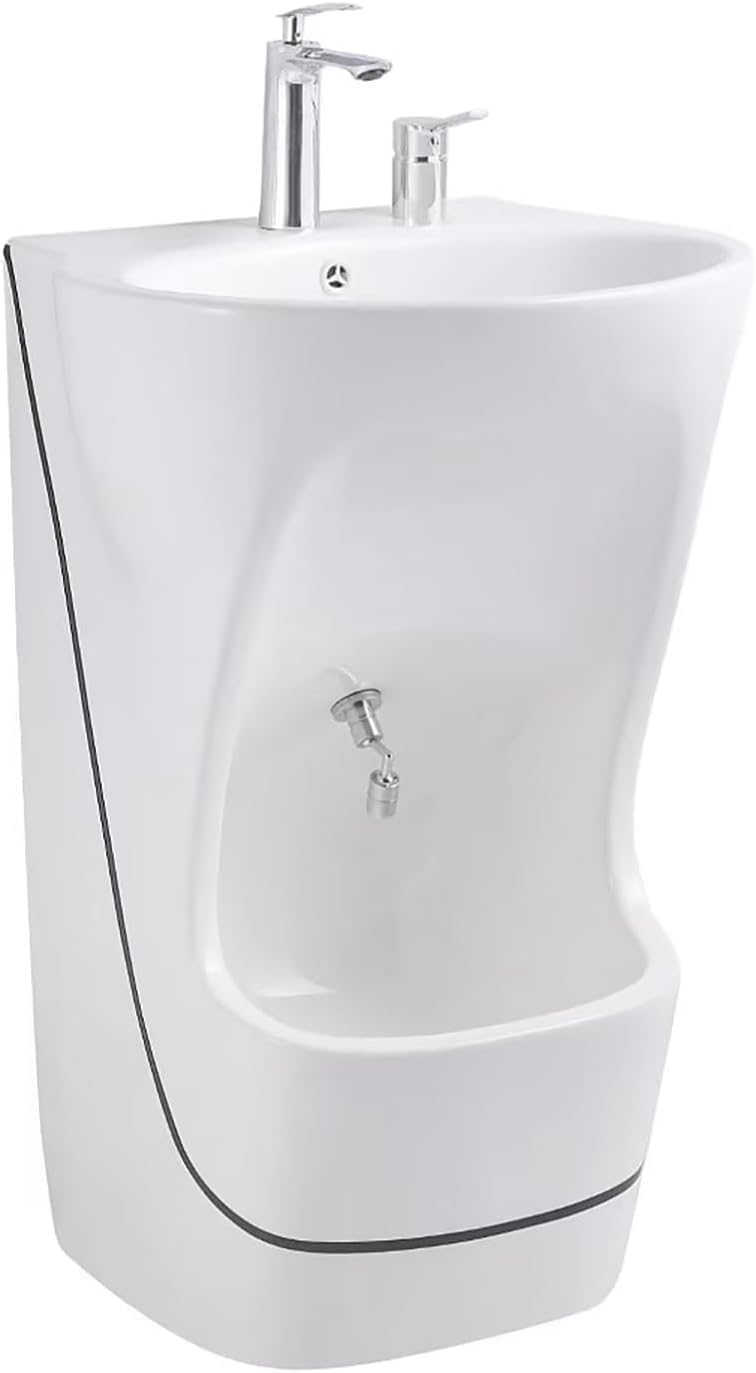
Verdict: A purpose-built, high-temperature fired ceramic wudu basin with a dedicated foot-washing area and a full mounting kit. A newly listed product with limited real-world feedback, but the spec sheet is more promising than its early rating suggests.
This wall mounted wudu foot washer is built around a single clear goal: making all four steps of ablution — hands, face, right foot, left foot — achievable without contorting yourself at a standard sink. The basin is formed from ceramic fired at high temperatures, a process that produces a denser, harder body than low-fire alternatives and results in a non-porous white glaze that should resist both staining and surface scratches over years of daily use.
The design allocates a dedicated foot-washing zone at the base of the basin, which is the feature that separates a true wudu basin from a repurposed hand-wash unit. Ergonomics here depend heavily on your final faucet position and the wall height you choose during installation, so planning that stage carefully pays dividends. The glazed white finish is classic and neutral enough to sit comfortably in a modern tiled bathroom or a traditionally decorated mosque washroom.
At 2.2 pounds the basin itself is notably light for a ceramic unit, which simplifies solo installation but also raises a reasonable question about wall-bracket load rating over the long term. The complete mounting kit is a genuine convenience, removing the need to source fixings separately. That said, package dimensions listed suggest the shipping box is compact, so inspect the basin thoroughly on arrival for transit chips before installation begins.
The product was listed in October 2026 and carries a 3.1 rating — a figure that reflects a very small sample rather than a broad consensus. Take the early score as a flag to read individual comments closely, not as a definitive verdict on build quality.
What Owners Say
Owner feedback for this product is not yet available in meaningful volume, as the listing is newly published. The limited data supplied does not show consistent patterns of praise or complaint across multiple buyers. Prospective buyers should monitor reviews as they accumulate and weigh the published specs and manufacturer description accordingly until a clearer picture emerges.
Best for: Homeowners, mosque facilities managers, and community centre coordinators who want a dedicated wudu basin with an all-in-one installation kit. Not for: Buyers who need a product with a proven, large-sample owner-review track record before purchasing.
| Manufacturer | Generic |
|---|---|
| Part Number | Generic |
| Item Weight | 2.2 pounds |
| Package Dimensions | 3.15 x 3.15 x 3.15 inches |
| Item model number | Generic |
| Size | One Size |
| Color | C |
What to Look for in Wall Mounted Wudu Foot Washer
Ceramic Firing Quality
The temperature at which ceramic is fired determines hardness, porosity, and resistance to cracking. Daily wudu use means repeated thermal cycling from cold to warm water, so body density matters.
Look for: High-temperature fired (vitrified or near-vitrified) ceramic with a fully sealed glaze; manufacturer should specify the firing process.
Avoid: Vague 'ceramic' claims with no firing detail, which often signal lower-density earthenware prone to crazing over time.
Foot-Washing Clearance and Basin Depth
The defining feature of a genuine wudu foot washer is usable vertical space to raise a foot under running water without strain. A shallow basin or low faucet position defeats the purpose.
Look for: A purpose-designed foot zone with confirmed faucet height and basin depth dimensions that allow a raised foot for an average adult.
Avoid: Products that describe foot-washing capability without publishing specific clearance or depth measurements.
Completeness of Mounting Hardware
Sourcing compatible brackets, fixings, and a faucet separately adds cost and time. A truly complete kit should cover wall anchors, brackets, and ideally the faucet.
Look for: Kits that explicitly list every included component; confirm whether a faucet is included or sold separately.
Avoid: Listings that say 'complete kit' without itemising contents — you may arrive at installation missing a critical part.
Weight and Wall Compatibility
A lighter basin is easier to install but must still be rated for the dynamic loads of daily use. Wall construction — solid masonry versus stud partition — dictates the anchor system needed.
Look for: Published weight and load rating for the bracket system; supplier guidance on wall types.
Avoid: Very heavy basins with no bracket load specification, or very light basins with no comment on dynamic load tolerance.
Glaze Finish and Cleanability
A non-porous white glaze resists limescale, soap residue, and biological build-up. This matters acutely in a high-use mosque or community setting.
Look for: Smooth, fully vitrified glaze surface; white or light colours that show cleanliness clearly.
Avoid: Textured surfaces or matte finishes that trap mineral deposits and are difficult to disinfect.
Wall Mounted Wudu Foot Washer Buying Guide
Why a Dedicated Wall Mounted Wudu Foot Washer Makes a Difference
Many households and smaller mosques make do with a standard wall-hung basin for wudu. It works, but it is not designed for the job. The faucet sits too low, the basin is too shallow, and lifting a foot to wash it becomes an exercise in balance rather than reflection. A purpose-built wall mounted wudu foot washer solves all three problems by design: the basin is deeper, the foot zone is positioned correctly, and the faucet height is matched to real use. If you perform wudu multiple times a day, the ergonomic improvement alone justifies the change.
Ceramic Quality: What the Spec Sheet Should Tell You
Not all ceramic is equal. Low-fire earthenware is porous, softer, and prone to hairline cracks when exposed to the repeated temperature changes of daily wudu. High-temperature fired ceramic — sometimes called vitrified or semi-vitrified — is denser and far more resistant to both cracking and surface staining. When reading a product listing, look for explicit mention of firing temperature or vitrification. If the listing says only ‘ceramic’ with no further detail, treat that as a caution flag. The glaze matters too: a fully sealed, smooth white glaze prevents limescale and soap residue from bonding to the surface, making weekly cleaning a two-minute task rather than a scrubbing session.
Foot-Washing Ergonomics: The Spec That Is Rarely Published
This is the most important dimension for a wudu-specific basin, and frustratingly the least consistently published. You need enough vertical clearance between the basin floor and the faucet spout to raise a foot comfortably — for most adults that means meaningful depth in the foot zone and a faucet positioned to allow free movement. Before purchasing any basin, attempt to confirm: basin depth at the foot zone, faucet projection, and the recommended wall mounting height. If those numbers are unavailable from the listing, contact the supplier directly. A basin that looks purpose-built in a photograph but cannot accommodate a lifted foot in practice is no better than the standard sink you are trying to replace.
Installation: What ‘Complete Kit’ Actually Means
A complete wall mounting kit should include wall brackets, all fixing hardware (appropriate for masonry and, ideally, stud partition walls), and a template or guide for marking drill points. Some kits also include the faucet; many do not. Before installation day, lay out every component from the box and check it against the supplied parts list. Wall type matters: a masonry wall requires masonry anchors; a hollow stud wall needs toggle bolts or dedicated cavity fixings rated for the basin weight plus dynamic load. The basin’s listed weight is a starting point, but factor in the weight of water in use and the force of a foot pressed against the basin wall when washing. When in doubt, use fixings rated for twice the stated static load.
Maintenance and Long-Term Care
A white glazed ceramic basin is one of the easier bathroom surfaces to maintain, provided you treat the glaze with respect. Avoid abrasive scourers, which dull the glaze surface over time and create micro-scratches that trap limescale. A soft cloth, a mild bathroom cleaner, and a weekly wipe-down are sufficient for most households. In hard-water areas, a diluted white vinegar solution applied briefly and rinsed thoroughly dissolves limescale without damaging the glaze. Check the wall fixings and silicone seal at the basin edge every six months; a failed seal allows water to migrate behind the basin and into the wall, which causes far more damage than any basin fault.
How We Picked
Each product in this guide was assessed on a combination of published specifications, manufacturer feature claims, and available owner feedback patterns. Where owner feedback volume was sufficient, consistent praise and recurring complaints were weighted heavily in the final score — what real buyers report after installation matters more than marketing copy. Where feedback is limited (as with newly listed products), scores reflect the strength of the spec sheet tempered by an honesty penalty for the absence of real-world validation.
Price-to-feature value, installation completeness, and category-specific ergonomic requirements — particularly foot-washing clearance, which is the core differentiator for wudu-specific basins — were factored into every rating breakdown. No physical testing was conducted; all conclusions are drawn from the data and specifications supplied.
Frequently Asked Questions
What is the difference between a wudu basin and a regular wall-hung sink?
A regular wall-hung sink is optimised for hand and face washing at standing height. A dedicated wudu basin adds a deeper foot-washing zone and is designed with enough vertical clearance for a raised foot under the faucet. The faucet position, basin depth, and bracket height all account for the full ablution sequence, rather than hand washing alone.
Can I install a wall mounted wudu foot washer myself, or do I need a plumber?
Basic DIY competence — drilling into masonry, connecting push-fit or compression water fittings — is enough for most wall-mounted basin installations. However, if your supply pipes require extending, if you are working in a shared building, or if you are unsure about wall construction type, a qualified plumber will ensure the job meets building regulations and avoids water damage risk.
How high should I mount a wudu foot washer on the wall?
There is no universal standard, but a mounting height that positions the basin floor roughly 300–400mm (12–16 inches) from the finished floor level is a common practical starting point for foot washing. Taller users benefit from a slightly higher position. Always check the manufacturer’s recommended height range first, as it is calculated around the specific basin’s depth and faucet reach.
Is high-temperature fired ceramic really more durable than standard ceramic?
Yes. The high-temperature firing process drives out more residual porosity from the clay body, producing a harder and denser material. This makes the basin more resistant to thermal shock from alternating cold and warm water, less likely to develop hairline crazing over time, and better at retaining the glaze surface that keeps cleaning straightforward. For a basin used multiple times daily, the difference accumulates over years of use.
What should I check when the basin arrives before I install it?
Inspect the entire glaze surface under good light for chips, hairline cracks, or glaze crazing — transit damage to ceramic is not uncommon. Confirm every component listed in the kit is present before drilling anything. Check that the faucet holes (if pre-drilled) align with your chosen tap. Report any damage to the supplier immediately, as installation of a damaged basin typically voids return eligibility.
Final Thoughts
The best wall mounted wudu foot washer for most buyers in 2026 is a purpose-built ceramic basin that combines a dedicated foot-washing zone with a full mounting kit. The Generic glazed ceramic basin reviewed here has the right design intent and credible material spec, but its very limited owner feedback means it deserves close monitoring as reviews accumulate. Buy it if the spec fits your space; verify the fixings match your wall type; and inspect it thoroughly before installation.
- Prioritise confirmed foot-washing clearance dimensions over marketing descriptions — this is the spec that defines a genuine wudu basin.
- High-temperature fired ceramic with a smooth white glaze is the right material choice for durability and daily cleanability.
- A newly listed product with a low early rating is not automatically a poor product — but it does mean you should read individual owner comments carefully as they appear.
Choosing the right wall mounted wudu foot washer is a longer-term decision than most bathroom purchases. A quality ceramic basin, properly installed, should serve a household or mosque for well over a decade. Focus on verified dimensions, confirmed ceramic quality, and complete installation hardware — and resist the temptation to judge a newly listed product purely on a star average built from a handful of early reviews. Do your homework once, install it correctly, and the daily ritual of wudu becomes noticeably smoother from the very first use.