As an Amazon Associate we earn from qualifying purchases. Prices and availability are accurate as of the date shown and are subject to change.
Three mistakes trip up most first-time halal cheese makers: buying animal rennet without a halal certificate, under-dosing because the instructions feel confusing, and skipping freezer storage so tablets lose potency early.
If you’ve been searching for the best halal rennet, those three pitfalls are worth keeping front of mind before you spend a penny. Vegetable and microbial rennets are inherently halal because no animal slaughter is involved — making them the safest choice for most halal households. Liquid calf or veal rennets can produce superior flavour in aged cheeses, but they need a verifiable halal slaughter certification; without it, their status is uncertain.
At muslimrestaurant.com we went through the specs, label claims and owner feedback patterns for every option in this roundup. We looked at coagulation strength, ease of dosing, storage life and the consistency of results across hundreds of real-world batches. Whether you’re pressing a firm gouda or pulling mozzarella for the first time, the right rennet makes the difference between a clean curd break and a pot of expensive warm milk.
Key Takeaways
- Vegetable rennet is the safe halal default: Microbial and plant-based rennets contain zero animal-derived enzymes, so their halal status is not in question — ideal when you cannot verify slaughter certification.
- Tablet potency depends on storage: Both vegetable and microbial tablets can last two to five years, but only if kept in the freezer; room-temperature storage shortens their effective life significantly.
- Animal rennet needs a halal cert, not just a label: Liquid calf and veal rennets listed here do not carry a printed halal certificate; verify with the supplier before using them in a halal kitchen.
- Concentration dictates how far a bottle goes: A 1:10,000 strength liquid rennet covers far more gallons per ounce than a standard-strength product — always read the dosage table before comparing price.
- Milk quality affects results more than brand: Ultra-pasteurised supermarket milk is the most common cause of failed curd sets, regardless of rennet quality; raw or low-heat pasteurised milk gives the most reliable results.
Our Top Picks for Best Halal Rennet
- +QSO Vegetable Rennet Tablets — Best Overall: the biggest body of real-world owner data, clear dosing, and unambiguous vegetable-based halal status.
- Marshall Pet Products Vegetarian Rennet — Best Vegetarian Tablet: microbial enzymes with no animal ingredients, a solid track record across 2,000-plus ratings, and scored tablets that make splitting easy.
- New England Cheesemaking Supply Liquid Animal Rennet — Best Premium Pick: the highest editorial rating of the liquid options and the most versatile cheese range, though halal shoppers should confirm sourcing before purchasing.
| # | Product | Rating | Our Score | Price | |
|---|---|---|---|---|---|
| 1 |  | ★★★★☆ 4.4 | 9.2 | See price | View |
| 2 |  Vegetarian Rennet - One 10 Tab SlipBest Vegetarian Tablet | ★★★★☆ 4.4 | 8.8 | See price | View |
| 3 |  Liquid Animal Rennet – Single Strength Calf Rennet for…Best Premium Pick | ★★★★★ 4.6 | 8.6 | See price | View |
| 4 |  North Mountain Supply Liquid Calf Rennet for Cheese Making…Best for Aged Cheeses | ★★★★☆ 4.4 | 8.3 | View | |
| 5 |  Vegetable Rennet Tablets, Strip of 10Best Budget | ★★★★☆ 4.3 | 7.8 | $5.99 | View |
| 6 |  Natural Probio® Liquid Animal Rennet 1.7 fl oz for…Runner-Up Liquid | ★★★★☆ 3.9 | 7.2 | $15.90 | View |
Prices as of October 27, 2026
The Best Best Halal Rennet: Reviewed
1. +QSO Vegetable Rennet Tablets — Best Halal Rennet Overall
Verdict: A vegetable-based tablet with an enormous track record, economical dosing and freezer-stable potency — the most reliable starting point for any halal home cheesemaker.
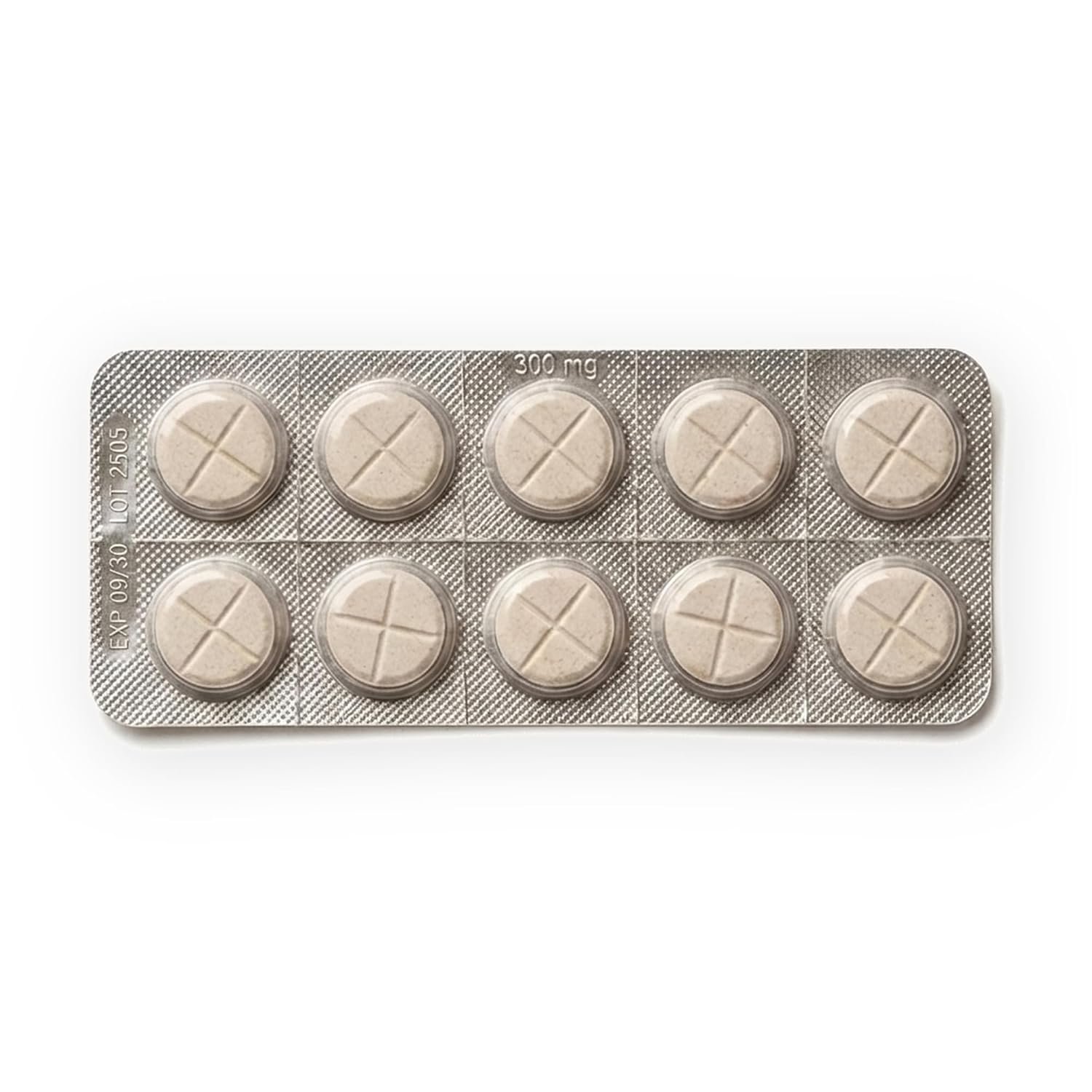
With over 7,400 owner ratings and an origin in Guatemala rather than a conventional dairy supply chain, the +QSO strip stands out as the go-to option when you want a confirmed halal rennet without any grey areas. It contains no animal products, no gluten and no GMO ingredients — three boxes that matter whether you’re making queso fresco, mozzarella or a simple paneer.
The dosing maths are generous: a quarter tablet coagulates 12 litres of milk, and a half tablet handles 25 litres. That means a single strip of ten tablets covers a large number of batches before you need to restock. The tablets are pre-scored so splitting them is straightforward, and the dissolve step — 20 minutes in fresh water — is simple enough for a complete beginner.
Owner feedback consistently praises the clean, neutral flavour it imparts to fresh cheeses, with mozzarella results appearing frequently in positive reviews. The one genuine weakness is dissolution: some tablets leave a fine residue rather than dissolving completely, which can affect even distribution in the milk. Freezer storage is essential; the brand confirms potency up to three years this way.
From a build-and-longevity standpoint, the pre-scored tablet format holds up well in the freezer without crumbling, and the strip packaging keeps unused tablets protected. For halal shoppers who want vegetable rennet they can trust batch after batch, this is the benchmark.
What Owners Say
Across thousands of ratings, owners most consistently praise the clean flavour in fresh cheeses — particularly mozzarella — and note no off-tastes. A recurring concern is that tablets do not always dissolve fully, potentially leaving uneven coagulation. Effectiveness receives mixed signals: many call it the best on the market, while a smaller group report unexpectedly weak curd sets. Value opinions split similarly, though the high yield-per-tablet wins over the majority.
Pros
- 100% vegetable — unambiguous halal status with no animal ingredients
- High yield: a quarter tablet sets 12 L, making each strip very economical
- Pre-scored tablets make precise splitting easy
- Freezer-stable for up to three years, protecting your investment
- Massive real-world track record across 7,400-plus ratings
Cons
- Tablets do not always dissolve fully, risking uneven curd set
- Effectiveness can vary — a minority of users report weak coagulation
- No printed halal certification on packaging (though vegetable origin is stated)
Best for: Halal home cheesemakers making fresh cheeses like mozzarella, queso fresco or paneer Not for: Makers of long-aged hard cheeses who need the sharper flavour profile of animal rennet
| Brand Name | +QSO |
|---|---|
| Diet Type | Gluten Free, Vegetarian |
| Container Type | uncontained |
| Flavor | Unflavored |
| Item Form | Tablets |
| Recommended Uses For Product | Cheese |
| Cuisine | European |
| Specialty | Gluten Free, Gmo Free |
| Region of Origin | Guatemala |
| Set Name | Strip of 10 |
2. Marshall Vegetarian Rennet Tablets — Best Microbial Tablet
Verdict: Microbial enzymes, no animal products, and over 2,000 ratings make this a trustworthy halal-safe tablet for everyday fresh and semi-hard cheesemaking.
Marshall’s vegetarian rennet tablets use microbial enzymes rather than any animal-derived coagulant, which puts them firmly in halal-safe territory alongside vegetable options. With more than 2,000 owner ratings at 4.4 stars, this is a well-proven product rather than a recent entrant, and that track record matters when you’re making cheese for a halal household.
The dosing is simple and practical: a quarter tablet for softer cheese styles, a half tablet for harder varieties, both setting one gallon of milk in roughly 45 minutes. Each tablet is scored for ease of splitting. The product contains no wheat starch and no gluten, which is useful if you’re catering for multiple dietary requirements at once.
The brand notes that tablets stored in the freezer last indefinitely — a stronger shelf-life claim than most competitors. That kind of durability claim is meaningful for a hobbyist who makes cheese intermittently and doesn’t want to restock constantly. The small 0.19 oz total weight of the pack means it takes up almost no freezer space.
No detailed owner feedback breakdown was available for this product beyond the aggregate score, so the rating pattern across 2,000-plus reviews provides the main signal. The straightforward feature set and clean ingredient profile make it a reliable workhorse tablet for the halal kitchen.
What Owners Say
Detailed per-aspect owner sentiment was not available for this product. The aggregate 4.4-star score across more than 2,000 ratings suggests a broadly positive reception, consistent with the tablet’s simple, clean feature set and vegetarian formulation.
Pros
- Microbial enzymes — no animal products, halal-safe by ingredient type
- Gluten-free with no wheat starch
- Indefinite shelf life when frozen
- Scored tablets allow quarter or half splits for different cheese styles
- Large review base provides confidence in consistency
Cons
- No halal certification printed on packaging
- Only ten tablets per pack — lower total yield than some competitors
Best for: Halal shoppers who want a tried-and-tested microbial tablet for fresh and semi-hard cheeses Not for: Cheesemakers producing large-volume batches who need a higher-yield option
| Brand Name | Marshall Pet Products |
|---|---|
| Item Form | Tablet |
| Specialty | Vegetarian |
| Manufacturer | Marshall |
| UPC | 852665472476 |
| Cuisine | Multiple cuisines |
| Model Number | M-50-10 |
| Set Name | Single Pack |
| Number of Items | 1 |
| Item Weight | 550 g |
3. New England Cheesemaking Supply Liquid Rennet — Best Premium Liquid
Verdict: The highest-rated liquid option in this roundup, with a single-strength format that makes dosing precise and a versatile range covering everything from mozzarella to aged cheddar — though halal shoppers must verify slaughter sourcing independently.
New England Cheesemaking Supply has decades of history serving the home cheesemaking community, and this single-strength liquid animal rennet reflects that experience. Single-strength means the coagulation power is standardised: half a teaspoon sets roughly two gallons of milk in about 45 minutes, giving you a reliable reference point that many high-concentration products require more maths to replicate.
The liquid format distributes more evenly through warm milk than a dissolved tablet, which is one reason experienced cheesemakers often prefer it for hard cheeses where a clean, consistent curd break matters most. The ingredient list is straightforward: veal rennet, sodium chloride, water — no hidden additives or allergens.
Owner feedback, while based on a smaller pool than the tablet options, is notably positive. Reviewers describe it as reliable and worth the price, with cottage cheese and fresh cheeses mentioned as standout successes. The small review sample is the main statistical caveat here.
The critical halal caveat: this is a calf (veal) rennet. The product does not carry a printed halal slaughter certificate. For many halal households, that makes it unsuitable without further supplier verification. If you can confirm halal sourcing through the brand directly, the performance case for this rennet is strong.
What Owners Say
Owners with available feedback describe the rennet as genuinely reliable and call it good value for the price. One common note is that it produces fast, clean results for homemade cottage cheese. The review pool is still growing, so patterns are less established than for higher-count products.
Pros
- Single-strength format makes dosing intuitive and consistent
- Clean, minimal ingredient list with no hidden allergens
- Liquid distributes evenly for cleaner curd breaks
- Versatile across soft and hard cheese styles
- Strong brand reputation in the home cheesemaking community
Cons
- Animal-derived (veal) — no printed halal slaughter certificate
- Smaller review base than tablet competitors limits confidence in edge-case performance
- Requires refrigeration, reducing shelf flexibility
Best for: Experienced home cheesemakers who can verify halal sourcing and want liquid precision for hard or aged cheeses Not for: Halal shoppers who need certified halal documentation or prefer vegetable-based coagulants
| Brand | New England Cheesemaking Supply Company |
|---|---|
| Number of Items | 1 |
| Unit Count | 2 Ounce |
| Specialty | GMO Free |
| Animal production method | Non GMO |
| Brand Name | New England Cheesemaking Supply Company |
| Animal Production Method | Non GMO |
| Manufacturer | New England Cheesemaking Supply Company |
| UPC | 815679002237 |
| Container Type | Bottle |
4. North Mountain Supply Liquid Calf Rennet — Best for Aged Cheeses
Verdict: A 1:10,000 strength Italian-produced calf rennet that goes a long way per bottle and suits denomination-of-origin style cheeses — but carries the same animal-sourcing caveat as all non-certified animal rennets.
Produced in Italy and supplied at 1:10,000 coagulation strength, this liquid calf rennet from North Mountain Supply is engineered for the kind of traditional hard cheeses — think long-aged styles with denomination of origin — where authentic animal rennet flavour is part of the recipe. At roughly a quarter teaspoon per gallon of whole milk, a 3-ounce bottle covers a meaningful number of batches.
The 1:10,000 concentration puts it in the same strength tier as the Natural Probio option, but North Mountain Supply adds a 30-day hassle-free replacement programme, which gives you a safety net if a bottle arrives damaged. The brand is transparent about one common pitfall: supermarket milk processed through ultra-pasteurisation can produce variable results, which is a useful honest disclosure rather than something they bury in small print.
With 678 ratings at 4.4 stars, there is enough feedback to indicate general satisfaction. No detailed per-aspect breakdown was available, so specific praise and complaint patterns cannot be confirmed beyond the aggregate score.
The halal position is identical to the other animal rennets here: calf-derived, produced in Italy, no printed halal certificate. For cheesemakers who have confirmed halal slaughter sourcing, the Italian production heritage and high concentration make it attractive for aged projects.
What Owners Say
Detailed per-aspect owner sentiment was not available for this product. The 4.4-star aggregate across 678 ratings indicates broadly positive reception. No specific recurring praise or complaint patterns can be confirmed from the data supplied.
Pros
- High 1:10,000 strength means excellent yield per bottle
- Italian production suits traditional hard and denomination-of-origin cheeses
- 30-day replacement programme adds purchase confidence
- Honest label guidance on milk type variability
Cons
- Animal-derived (calf) — no printed halal certification
- No per-aspect owner feedback to confirm consistency patterns
- Ultra-pasteurised milk can cause unreliable results
Best for: Cheesemakers pursuing aged, hard, or traditional European styles who have verified the halal sourcing Not for: Halal shoppers who cannot verify calf slaughter certification or those making fresh, quick cheeses
| Product Dimensions | 0.79 x 0.79 x 0.79 inches |
|---|---|
| Item Weight | 5.3 ounces |
| Manufacturer | North Mountain Supply |
| Item model number | Calf Rennet-4oz |
5. Readyline Vegetable Rennet Tablets — Best Budget Vegetable Option
Verdict: A budget-priced, vegetable-based tablet strip with a five-year freezer claim and clean non-GMO credentials — promising on paper, but with limited owner feedback given its recent launch.
Readyline entered the market in late 2025, so this is the newest product in the roundup. The headline specs are attractive: ten vegetable rennet tablets, non-GMO, gluten-free, and rated for up to five years of freezer storage — the longest shelf-life claim among the tablet options reviewed here. That durability figure is a genuine selling point for infrequent cheesemakers who may use only a few tablets a year.
The strip is compact — just 3.74 x 1.5 x 0.28 inches — and the tablets are described as precisely dosed for consistent results across soft, semi-hard and hard cheese varieties. The formulation is positioned as meeting both home and small artisanal producer standards, which is a reasonable claim for a vegetable microbial product.
The practical caveat is the review count: 77 ratings at 4.3 stars is simply not enough data to confirm the consistency claims. There are no detailed per-aspect feedback patterns available. The price is the lowest of any product in this roundup at the listed retail level, making it a low-risk trial for a new maker, but the lack of a long track record is something an experienced hobbyist will feel.
For halal purposes it is safe — vegetable-based, no animal products — and the five-year freezer claim means you can stock up without worrying about potency loss between batches.
What Owners Say
No detailed per-aspect owner feedback was available for this product. With 77 ratings, the data pool is too small to identify reliable praise or complaint patterns. The aggregate 4.3-star score is a tentatively positive signal for a recently launched product.
Pros
- 100% vegetable-based — inherently halal
- Five-year freezer shelf life is the longest claim in the tablet category
- Budget retail price makes it easy to trial
- Gluten-free and non-GMO
Cons
- Very limited owner feedback — only 77 ratings at time of writing
- No track record to validate consistency claims across different cheese styles
- Newer brand with less established quality history
Best for: Budget-conscious halal cheesemakers willing to trial a newer brand for fresh or soft cheeses Not for: Cheesemakers who need a well-proven product with a large real-world track record
| Brand Name | Readyline |
|---|---|
| Model Name | Readyline |
| Manufacturer | Readyline |
| UPC | 698746340391 |
| Number of Items | 1 |
| Item Weight | 0.01 kg |
| Unit Count | 1 Count |
| Item Form | Tablet |
| Scent | Unscented |
| Material Features | Natural |
6. Natural Probio Liquid Animal Rennet — Runner-Up Liquid Option
Verdict: A high-concentration Italian-heritage liquid rennet with a convenient dropper, but mixed owner feedback and the absence of a halal certificate mean it ranks last in this roundup.
Natural Probio’s liquid rennet arrives in a 1.7 fl oz bottle with a built-in dropper — a practical design choice that reduces the risk of over-pouring. The stated concentration of 1:10,000 means a small dose of roughly 40 drops (around 2 ml) handles 10 litres of milk, and the bottle claims coverage of up to 132 gallons in total. That is a compelling yield figure if the concentration is consistent.
In practice, owner feedback tells a more complicated story. Functionality is described as mixed: some batches coagulate well, others reportedly produce no curd at all. Milk compatibility is flagged as a variable — the product works best with fresh whole farm milk, and a number of owners found standard supermarket milk gave poor results. Several reviewers described the purchase as a disappointment.
The dropper format is genuinely useful and the bottle is compact (1.18 x 1.18 x 3.54 inches), but the inconsistency pattern in the feedback is a meaningful concern for a product in this price tier. The rating of 3.9 across 762 reviews is the lowest in this roundup.
From a halal standpoint, this is veal rennet with no printed halal certificate — the same position as the other animal rennets here, but ranked lower because the reliability issues compound the sourcing uncertainty for halal shoppers.
What Owners Say
Owner sentiment on this product is notably mixed. Some report clean, reliable coagulation and consider the product good quality; others report no curd set at all and describe it as a waste of money. Milk compatibility is a recurring theme: results appear to improve substantially with fresh whole farm milk versus supermarket options. Ease of use scores reasonably well thanks to the dropper, but frustration with inconsistent outcomes is the most common negative pattern.
Pros
- Dropper bottle enables precise dosing without measuring tools
- High 1:10,000 concentration delivers strong theoretical yield
- Compact, easy-to-store format
Cons
- Lowest rating (3.9) in the roundup with meaningful inconsistency in owner results
- Animal-derived (veal) with no printed halal certificate
- Several owners report complete coagulation failure
- Results vary significantly with supermarket versus farm milk
Best for: Experimenters who already have access to fresh farm milk and want a dropper-format liquid rennet Not for: Halal shoppers seeking certified sourcing, or anyone relying on supermarket milk
| Product Dimensions | 1.18 x 1.18 x 3.54 inches |
|---|---|
| Item Weight | 2.12 ounces |
| Manufacturer | Natural Probio |
| Item model number | Présure liquide |
How They Compare
Across this field, the clearest dividing line is between vegetable/microbial tablets and liquid animal rennets. For halal shoppers, vegetable and microbial options (+QSO, Marshall, Readyline) require no additional sourcing verification — their ingredients contain nothing animal-derived. The liquid animal rennets (New England, North Mountain Supply, Natural Probio) offer performance advantages for aged or complex cheeses, but none carry a printed halal slaughter certificate, so their suitability depends on independent supplier verification.
On coagulation strength, the two 1:10,000 liquid rennets (Natural Probio and North Mountain Supply) cover the most milk per bottle in theory, but owner feedback suggests North Mountain Supply is the more consistent performer. The New England single-strength liquid scores highest editorially for reliability and ease of dosing despite lower raw concentration. Among the tablets, +QSO leads on yield and track record; Marshall matches it on shelf life and beats it on dissolution consistency; Readyline is unproven but the most affordable entry point. Natural Probio finishes last across all dimensions.
What to Look for in a Best Halal Rennet
Halal certification or ingredient type
This is the foundational criterion. Vegetable and microbial rennets are inherently halal; animal rennets need a verifiable halal slaughter certificate.
Look for: A clear statement of vegetable, microbial or plant-based enzymes, or — for animal rennet — an audited halal certificate from a recognised body.
Avoid: Liquid calf or veal rennet with no halal certification label. 'Natural' or 'traditional' on animal rennet packaging does not imply halal compliance.
Coagulation strength and dosing clarity
Strength (often expressed as 1:X,000) determines how much rennet you need per batch. Ambiguous dosing instructions waste product and ruin batches.
Look for: A stated strength ratio and a clear per-gallon or per-litre dosage. Scored tablets or dropper bottles are practical durability markers for consistent splitting.
Avoid: Products that list only a vague serving suggestion with no reference to milk volume, or that require special equipment to dose accurately.
Shelf life and storage requirements
Rennet that degrades quickly between uses costs more over time. Tablets that survive freezer storage without crumbling hold their value best.
Look for: Freezer-stable tablets with at least a two-year shelf life, or liquid rennets that confirm refrigerator stability across multiple months.
Avoid: Products with no storage guidance, or liquid rennets that require extremely precise temperature control without explaining the acceptable range.
Owner feedback consistency
A large, consistent review base filters out the one-off manufacturing variables that affect any batch product.
Look for: Several hundred or more ratings with a score above 4.2 and no dominant pattern of complete coagulation failure.
Avoid: Products under 200 ratings for high-stakes batches, and any option where 'no curd set at all' appears as a repeated complaint rather than an isolated case.
Cheese style versatility
If you plan to make more than one cheese type, a rennet that works across soft, semi-hard and hard styles saves you stocking multiple products.
Look for: Explicit mention of compatibility with at least three cheese styles spanning fresh, semi-hard and hard categories.
Avoid: Products marketed exclusively for one cheese type (e.g. queso fresco only) if you intend to branch out.
Best Halal Rennet Buying Guide
Understanding What Makes Rennet Halal
Rennet is a coagulating enzyme that turns warm milk into curds. It comes in three forms: animal-derived (typically calf or veal stomach enzymes), microbial (fungi or bacteria-produced enzymes with no animal involvement), and vegetable (plant extracts such as thistle or fig, or industrially produced microbial equivalents marketed as vegetable rennet).
For the best halal rennet, the simplest and safest choice is microbial or vegetable. No animal is involved in production, so halal status is not contingent on slaughter method. Animal rennet is a grey area: Islamic scholars differ on whether enzyme extraction constitutes a product requiring halal slaughter, but the dominant cautious position is that it does. If you choose an animal rennet, look for an audited certificate from a recognised halal body — not just a brand claim.
Tablet vs. Liquid: Which Format Suits You?
Tablets are shelf-stable at room temperature for months and freezer-stable for years. They are easy to transport and take up almost no space. The trade-off is that they must be dissolved before use — typically 20 minutes in fresh water — and incomplete dissolution is a genuine quality issue with some brands. Pre-scored tablets mitigate this by making splitting and measuring easier.
Liquid rennets distribute more evenly through milk in a single stir, which is why professionals and experienced home makers often prefer them for hard cheeses where a uniform curd break matters. The downside is that liquids need refrigeration and have a shorter post-opening window. A dropper or measured cap eliminates guesswork but requires careful handling to avoid contamination.
Coagulation Strength: Reading the Numbers
Strength is usually expressed as a ratio: 1:10,000 means one part rennet can coagulate 10,000 parts milk. A higher number means more coverage per unit — critical when comparing value across liquid products at different price points. Single-strength liquid rennet typically runs around 1:5,000 to 1:6,000. Always locate the dosage table before buying; a cheaper bottle at higher concentration can easily outperform a cheaper bottle at lower concentration.
For tablets, dosing is usually given in fractions per gallon. A quarter tablet per gallon is common for vegetable microbial options; always follow the product’s own table rather than a generic online recipe, since tablet strength varies between brands.
Milk Quality: The Variable Most Reviews Ignore
A recurring pattern in negative rennet reviews — particularly for liquid animal rennets — is coagulation failure caused by ultra-pasteurised (UHT) milk. UHT processing denatures the calcium and proteins that rennet needs to form a firm curd. The fix is simple: use low-heat pasteurised, vat-pasteurised, or raw milk wherever your local food safety rules allow. Adding calcium chloride (a separate purchase) can partially restore curdability in standard supermarket milk. No rennet, however well-formulated, can fully compensate for milk that has been heat-processed beyond its coagulation threshold.
Storage and Long-Term Durability
Hobbyist cheesemakers often buy rennet in quantities that last months or years. Tablets stored in a sealed bag in the freezer maintain potency for two to five years depending on the brand. Liquid rennets kept refrigerated typically remain active for several months after opening. The practical implication: if you make cheese four or five times a year, tablets offer lower waste and more flexibility. If you make cheese weekly in volume, a high-concentration liquid bottle is more cost-efficient per batch. Either way, store your rennet away from light and heat from the moment it arrives.
How We Picked
Each product was evaluated against four pillars: halal ingredient status (vegetable/microbial vs. animal-derived, and whether any halal slaughter certification is stated), coagulation specifications (strength ratio, per-litre dosage, and format practicality), storage durability (shelf-life claims, packaging integrity, and freezer or refrigerator requirements), and owner feedback patterns drawn from available per-aspect sentiment data and aggregate ratings. Products with detailed per-aspect feedback were scored with higher confidence; those with only aggregate scores were noted accordingly.
Rankings weight halal suitability most heavily, since that is the primary reason a shopper would seek this category. Coagulation reliability and owner feedback volume follow. Price-to-yield value informed the budget picks. No physical testing was conducted; conclusions reflect spec analysis and documented owner experience patterns.
Frequently Asked Questions
Is vegetable rennet always halal?
In the vast majority of scholarly opinions, yes. Vegetable and microbial rennets contain no animal-derived enzymes, so there is no slaughter question to resolve. If the product is also free from alcohol-based carriers and other prohibited additives — check the full ingredient list — it is considered halal by default. The products from +QSO, Marshall and Readyline in this roundup all meet this standard based on their stated ingredients.
Can I use calf rennet if I'm cooking halal?
It depends on your school of thought and the product’s certification. Some scholars permit animal rennet as a transformation product, while others require proof of halal slaughter. The safest practical position is to only use calf or veal rennet that carries an audited halal certificate from a recognised body. None of the animal rennets in this roundup carry a printed halal certificate, so verification with the supplier directly is essential before using them in a halal kitchen.
Why is my curd not setting even with good rennet?
The most common cause is ultra-pasteurised milk, which denatures the proteins rennet needs to work. Other factors include milk that is too cold (most rennets work best around 32–35°C), rennet that has been stored incorrectly and lost potency, or under-dosing because the tablet was not dissolved properly. Try switching to low-heat pasteurised or vat-pasteurised milk first — this resolves the majority of unexplained set failures regardless of rennet brand.
How long do rennet tablets last?
Shelf life varies by brand and storage method. Room temperature storage typically gives you six to twelve months of reliable potency. Freezer storage extends this significantly — the products in this roundup claim between three and five years when frozen. Always keep tablets in an airtight bag or container in the freezer, and let them come to room temperature before use to avoid condensation affecting the remaining tablets in the strip.
Is microbial rennet the same as vegetable rennet?
Not exactly, though both are animal-free. Microbial rennet is produced from fungi or bacteria (typically Rhizomucor miehei), while vegetable rennet comes from plant sources such as thistle flowers or fig sap. Many products labelled ‘vegetable rennet tablets’ in the consumer market actually use microbial enzymes — the term is used loosely. For halal purposes both are equally acceptable; for cheese flavour in aged varieties, microbial rennet can occasionally produce a slightly bitter note in long-aged styles, though this is rarely an issue in fresh cheeses.
Final Thoughts
For most halal home cheesemakers, the +QSO Vegetable Rennet Tablets offer the strongest combination of proven performance, clear halal ingredient status and long-term value. The Marshall microbial tablet is a close second for those who prioritise indefinite freezer life. If you can confirm halal slaughter sourcing directly with a supplier, the New England liquid rennet delivers the precision and versatility that serious hard-cheese projects need. Whatever you choose, prioritise milk quality alongside your rennet — the two decisions are equally important.
- Vegetable and microbial tablets are the easiest path to a confirmed halal-safe curd — no certification chasing required.
- Animal liquid rennets in this roundup offer superior aged-cheese performance but need independent halal sourcing verification before purchase.
- Milk quality matters as much as rennet brand — ultra-pasteurised supermarket milk is the most common cause of a failed set, not the rennet itself.
Finding the best halal rennet comes down to two honest questions: can you verify the source, and what cheese are you actually making? For fresh and everyday cheeses, the vegetable tablet options in this guide give you clean coagulation, long shelf life and no sourcing headaches. For aged and complex hard cheeses where animal rennet genuinely improves the result, do the verification work first — contact the supplier, ask for certification, and make an informed decision. The rennet itself is only one part of the equation; give equal attention to your milk, your temperatures and your storage, and the curds will follow.